


Television
Working as a wildlife cinematographer for German television, I tell visual stories about the natural world that surrounds us.
Here you can explore a selection of the productions and projects I have been involved in.

Flood Alert in Beetle Land
Editorial Research & Camera
Doclights / NDR
1 × 45 min, 2026
Life on a Hallig is never quiet. Whether the islands are flooded during a storm surge or alive with the activity of the breeding season, there is always something happening.
Seen through the eyes of a Hallig sea-lavender weevil, the film explores the unique world of these small marsh islands in the North Sea. From dramatic encounters with the forces of nature to the abundance of life that thrives in this ever-changing landscape, the documentary reveals a fascinating ecosystem where even the smallest creatures have extraordinary stories to tell.

Germany's Natural Wonders – From the North Sea to the Alps
Additional Camera Work
Doclights / NDR
1 × 90 min, 2026
Germany is a land of strikingly diverse landscapes. Between the North Sea and the Alps lies a rich mosaic of habitats that support an extraordinary variety of wildlife. This feature documentary showcases Germany's most spectacular natural wonders and its native animal species through breathtaking cinematography.
Particularly inspiring is the return of many iconic species, including the white-tailed eagle and the common crane. Their recovery is a testament to the resilience of nature and the success of long-term conservation efforts across the country.
Magical France
Camera
Flying Pangolin for Doclights / NDR, WDR, SWR, Arte, ORF
4 × 45 min, 2025
From the rugged northern coast to the sun-drenched landscapes of the south, the documentary series Magical France reveals the unexpected side of some of the country's most famous destinations. In Normandy, blennies withstand the relentless tides, while in Provence, Etruscan shrews travel in remarkable caravans through seas of lavender.
Featuring stunning cinematography, compelling wildlife stories and innovative camera work, the series uncovers little-known natural wonders—from the Bay of Mont-Saint-Michel to the Pyrenees. A celebration of the diversity, beauty and magic of France's landscapes.

GEO Story – How We Can Eat Our Way to a Healthier World
Editorial Research & Camera Assistant
GEO Film for RTL Studios
1 × 88 min, 2024
What is the world's biggest problem? Not cars, airplanes or coal-fired power plants—but the way we produce and consume food. In The Great GEO Story, presenter and science journalist Dirk Steffens takes a revealing look behind the scenes of the global food industry.
The documentary explores how our food systems affect climate, biodiversity and human health, while highlighting innovative approaches that could help create a more sustainable future.

Wild Island Paradise – The Seychelles
Camera
BluePlanet Film for Doclights / NDR, Terra Mater, Arte, WDR
1 × 45 min, 2024
The Seychelles are among the dream islands of the Indian Ocean. Tropical beaches are framed by striking granite boulders, and they are home to one of nature's most remarkable plants: the coco de mer palm, which produces the world's largest seed, weighing up to 30 kilograms. On the northernmost island of the archipelago, more than 1.5 million sooty terns gather to breed. Beneath the waves, the three-spot damselfish displays an extraordinary behaviour, carefully cultivating and defending its own algae garden.
Yet even this tropical paradise faces challenges. Large areas of the Seychelles' once extensive mangrove forests have been destroyed. These vital “water forests” play a crucial role in protecting coastlines from erosion and rising seas.

Seas in Motion
Camera
Blue Planet Film for Doclights / NDR, WDR, SWR, ORF
4 × 45 min, 2023
The North Sea and Baltic Sea may seem familiar to us, yet they still hold many secrets. From the deep waters of Norway's fjords to the Wadden Sea, and from the Shetland Islands to the coast of Normandy, remarkable dramas unfold both above and below the surface.
Orcas hunt grey seals, while a small catshark encounters its most dangerous predator. Seahorses perform their graceful courtship dances, and powerful seal bulls battle for dominance along the shoreline. The documentary series reveals not only the beauty and diversity of Our Seas, but also their fragility and the challenges they face in a rapidly changing world.

Badgers – Our Hidden Neighbours
Additional Camera Work
Ego Film for Doclights / NDR, Arte, Nordmedia
1 × 45 min, 2022
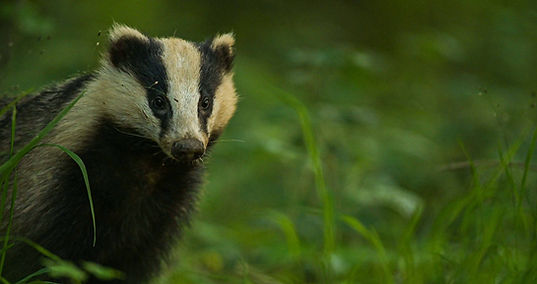
Everyone thinks they know one of our forest's most elusive inhabitants—the badger. Yet few people ever catch a glimpse of it. As a nocturnal hunter, it spends most of the day hidden underground.
The film follows a female badger and her two cubs. Still unsteady on his feet, one of the youngsters ventures out of the sett for the first time, exposing himself to unexpected dangers. In a neighbouring territory, an adult male lives alongside several females and their offspring. Within such a clan, strong family bonds connect the animals.
Far from their reputation as grumpy loners, badgers are highly social creatures. Through intimate wildlife sequences, the documentary offers a rare insight into the hidden lives of one of Europe's most fascinating mammals.

A Thousand Bogs, a Hundred Lakes and One Forest – The Schorfheide
Additional Camera Work
Corax Film for Doclights / NDR, rbb, MDR
1 × 45 min, 2021
Just northeast of Berlin lies the Schorfheide, a species-rich cultural landscape surrounded by ancient forests, thousands of peat bogs and more than 200 lakes. It is a refuge for rare wildlife and a region that has become a model for nature conservation throughout Germany.
Through stunning imagery and exceptional wildlife sequences, the film tells the story of how conservationists, foresters and farmers have worked together over the past three decades to restore biodiversity and bring many species back to the landscape.
